
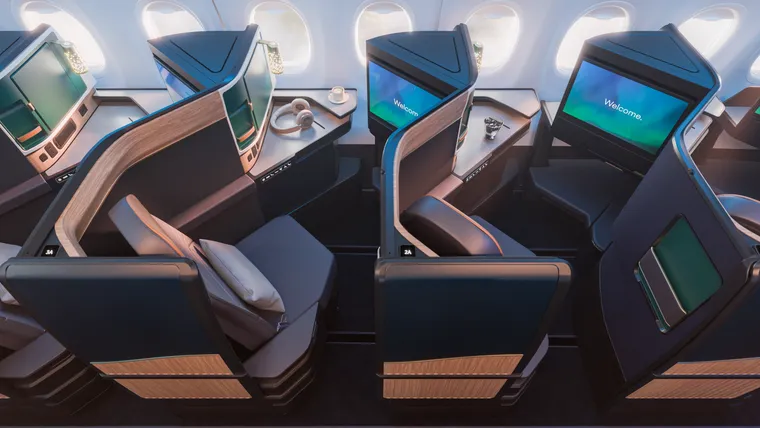
The new cabins and design language from Alaska Airlines, including the Aurora business class on Alaska itself and Leihōkū Suites on Hawaiian, plus its forthcoming lounge concepts, look great.
Alaska is planning Elevate’s Ascent narrowbody version on its hopefully-soon-to-be-certified “Premium Transcon” 737 MAX 10s, updating the ex-Hawaiian widebody version of the same seat from the same manufacturer on their next 787s, and there’s a big hard product jump on the Hawaiian A330s too with Collins herringbone suites.
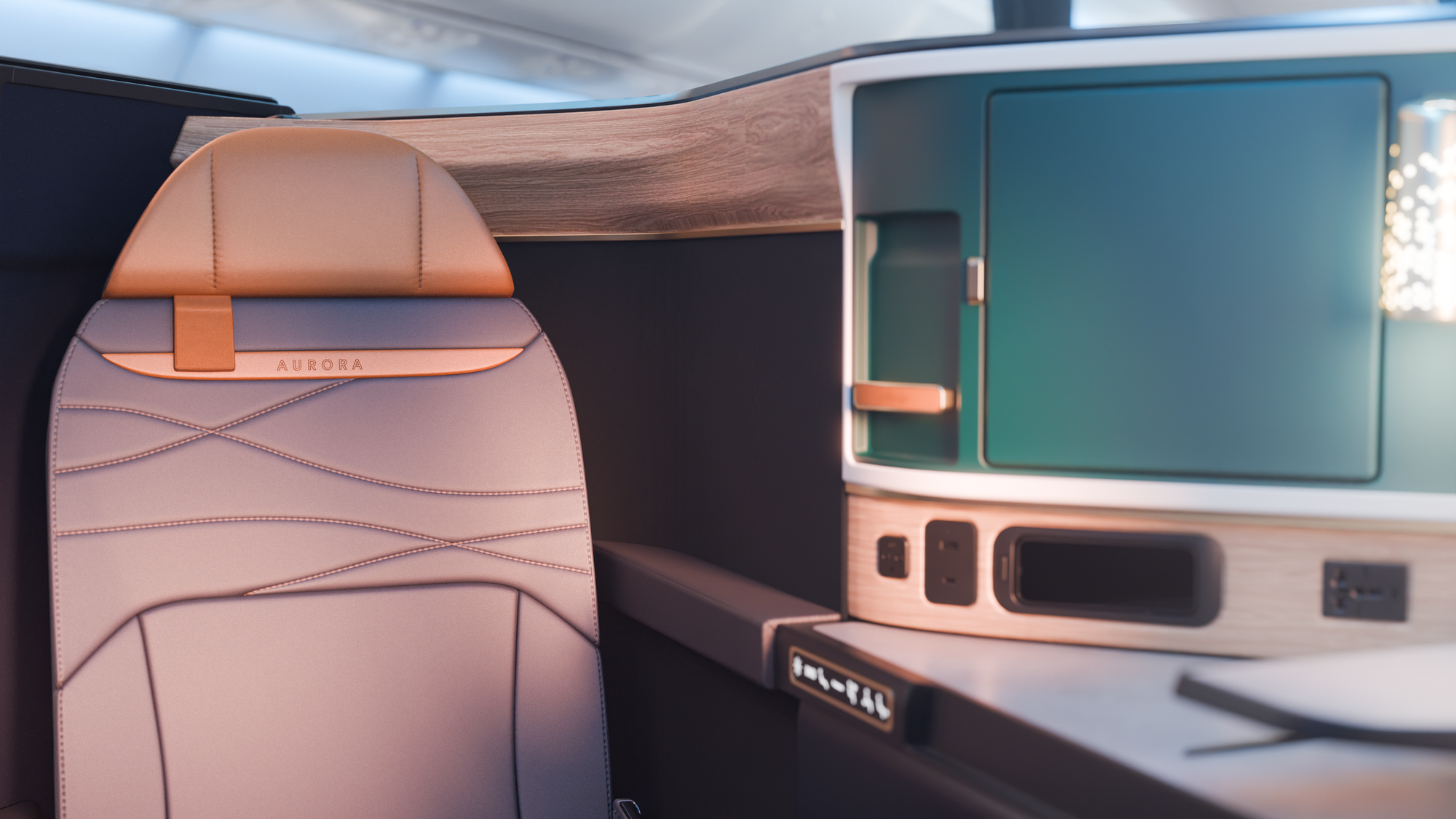
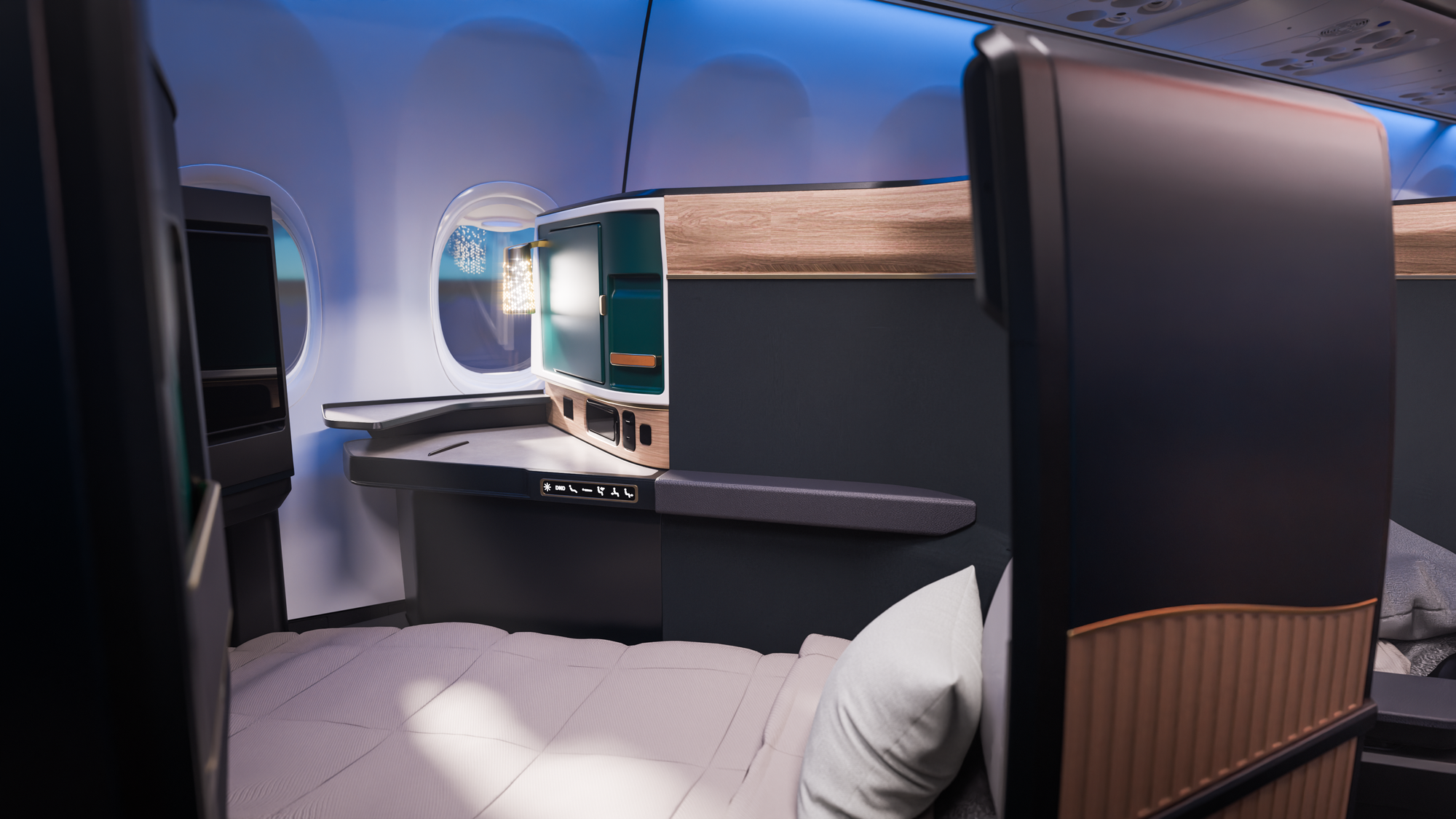
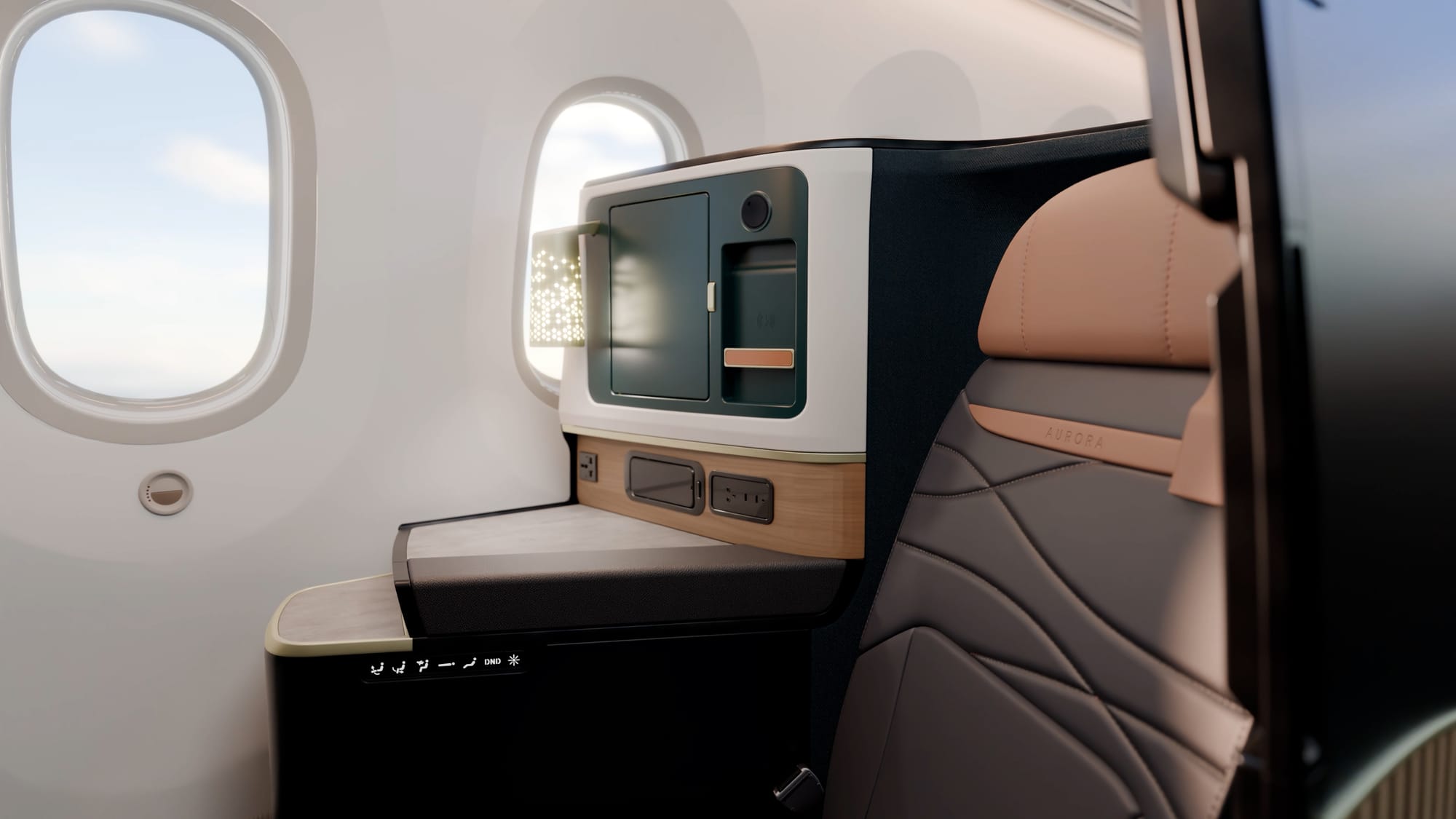
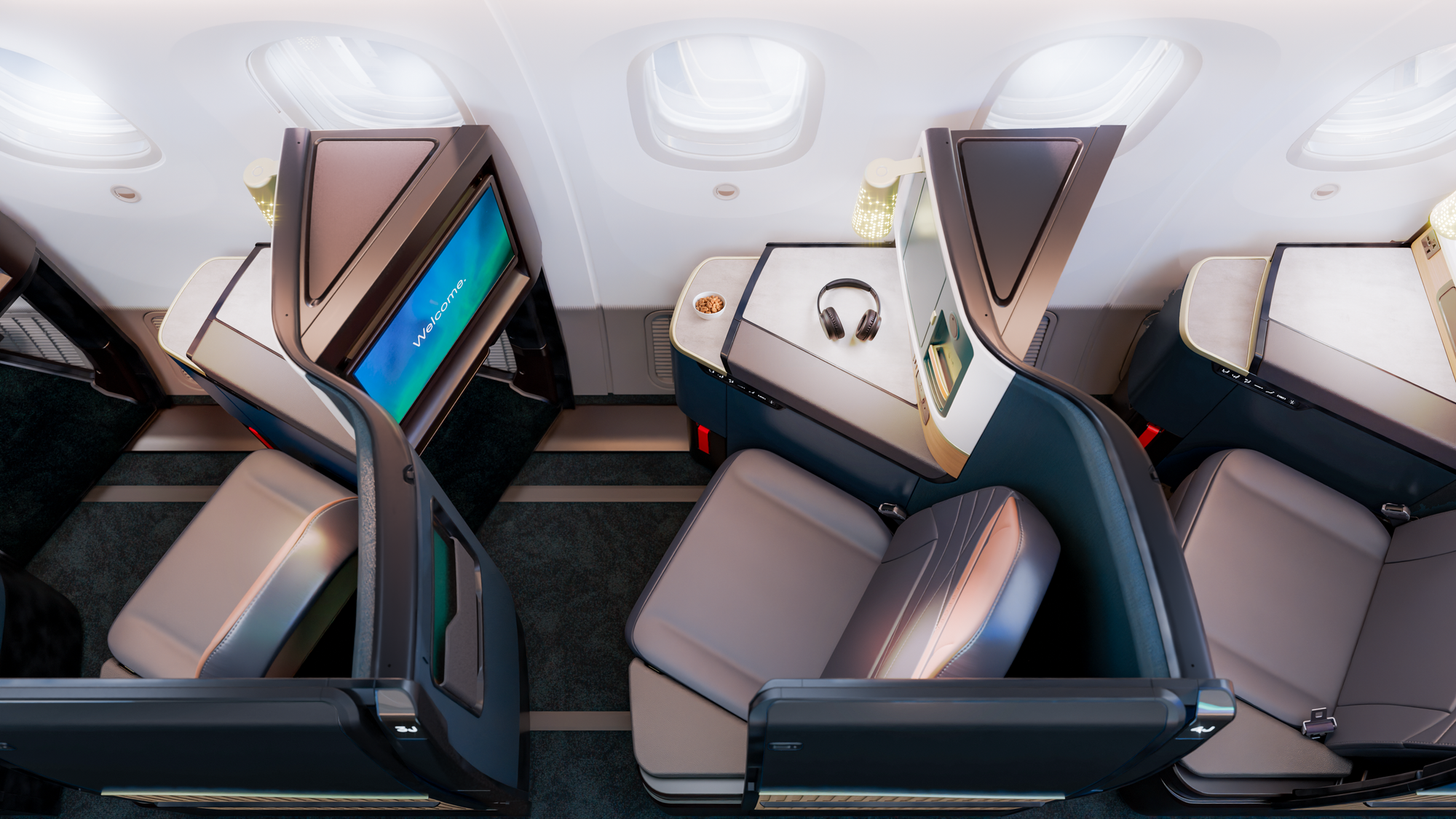
Alaska’s Ascent looks great on the 737 MAX and 787, with new teal accents and all the benefits of the Elevate seat already seen on Qatar, American, United and others. Image: Alaska Airlines
Premium economy is coming to both airlines, and altogether there are a few big steps for an airline group looking to improve its credentials at the pointy end of the plane.
New lounges on the ground add another piece of the puzzle as Alaska continues to integrate Hawaiian Airlines, a decade after swallowing Virgin America, and seeks to cement itself on the US west coast, including at its primary Seattle hub.
All that said, in hard product terms, these are a fairly standard set of seats for 2026, with some nice new feature colours, materials and finishes for Alaska that make the cabins stand out in the generally bland US market.
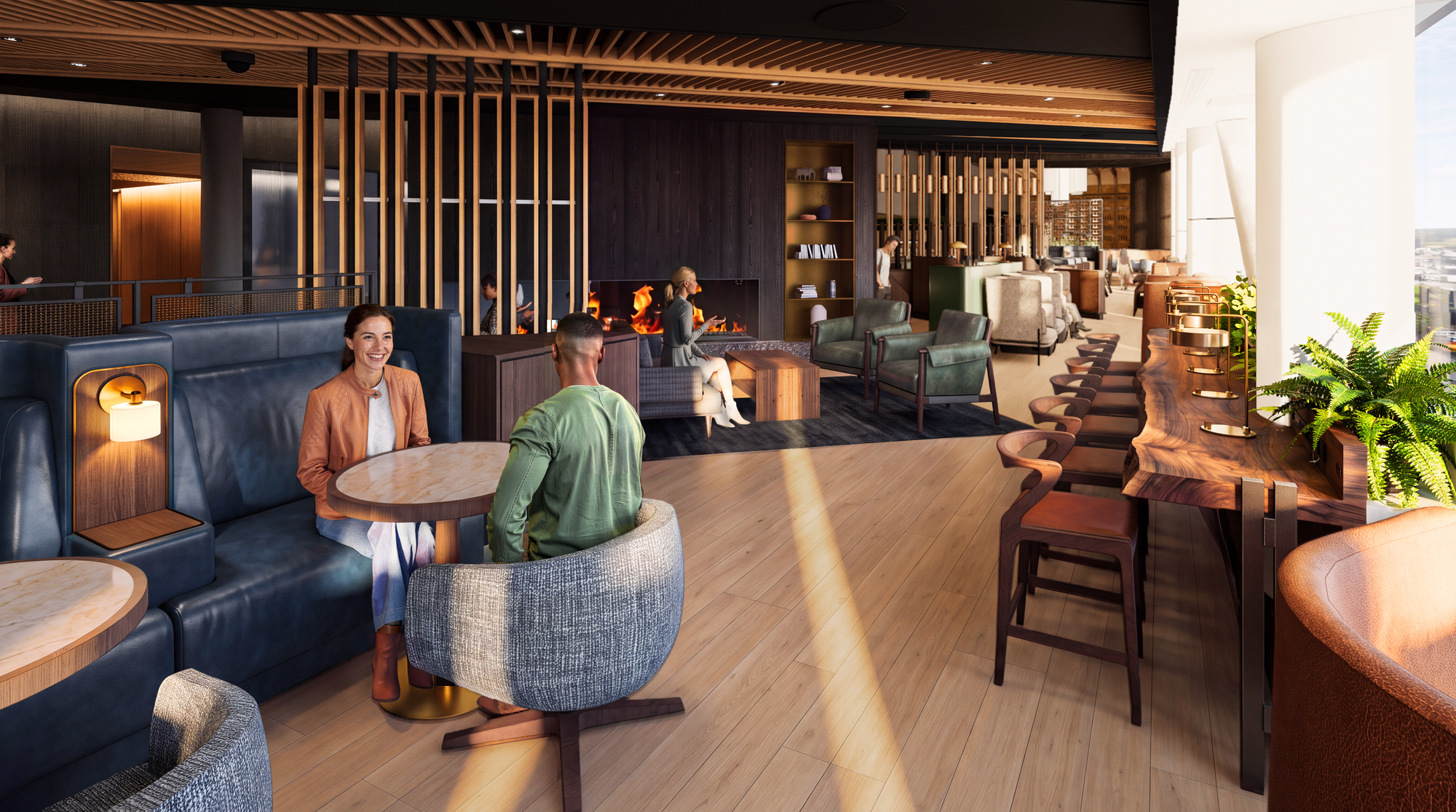
There’s also a new Aurora brand for the best experience on Alaska: the new herringbone flatbeds on the premium transcontinental 737 MAX 10 and intercontinental business class, with a corresponding Aurora Lounge in Seattle.
(To be clear, none of the Aurora hard product is Collins Aerospace’s Aurora seats, and the “Aurora Suites” on the MAX 10 don’t have doors.)
Somewhat starkly compared to the strong Alaska visual update, there’s a much more neutral update for Hawaiian, in what can’t help but feel like the series of steps an airline group would take if it were planning to transition away from the Hawaiian brand.
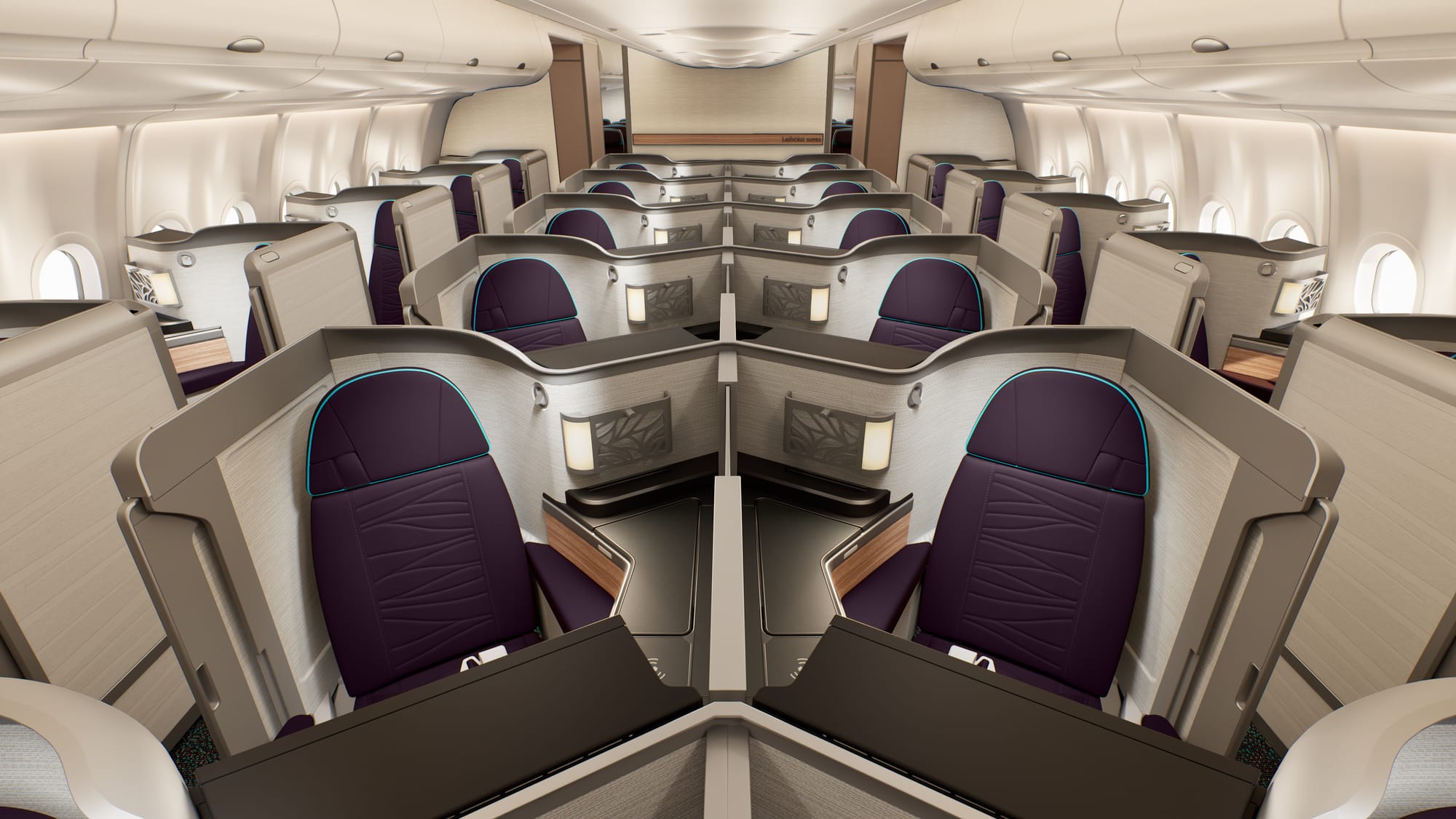
The Leihōkū business class brand returns, having disappeared when Alaska took over Hawaiian’s 787s, but this time the only colour in the cabin is on easily upgradeable seat covers and armrests.
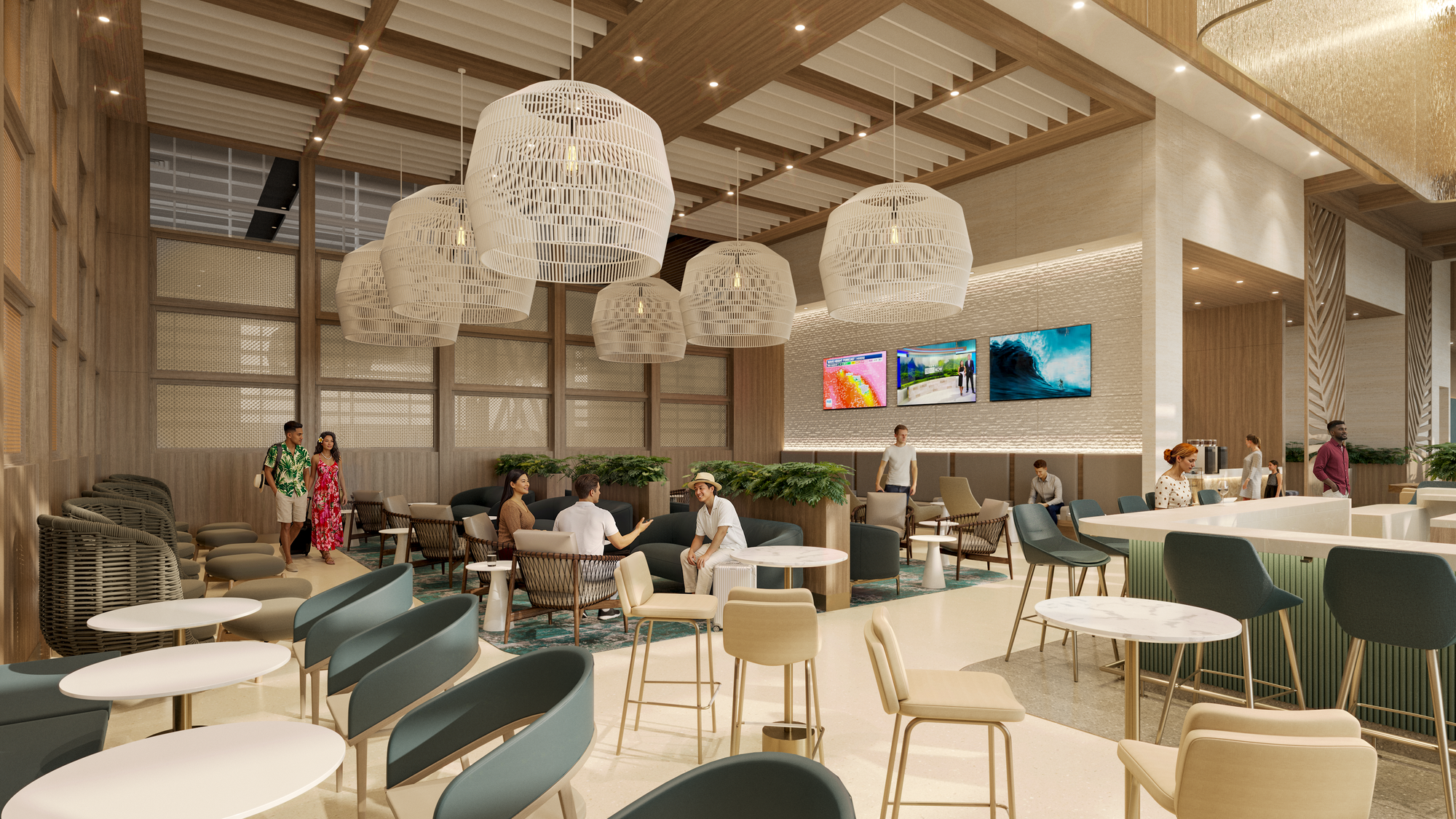
Meanwhile, the accent colour in the new Honolulu lounge is the Alaska teal.
The airline group says it will be offering four cabins across both the Alaska Aurora and Hawaiian Leihōkū cabin generations, but it’s really three and a half: its “Premium Class” extra-legroom economy seating is not, by any sensible definition, a class of service.
The business class product will either be called Aurora or Leohōkū, the premium economy class is Premium Reserve, then comes the not-an-actual-class Premium Class, and regular economy is Main Cabin.
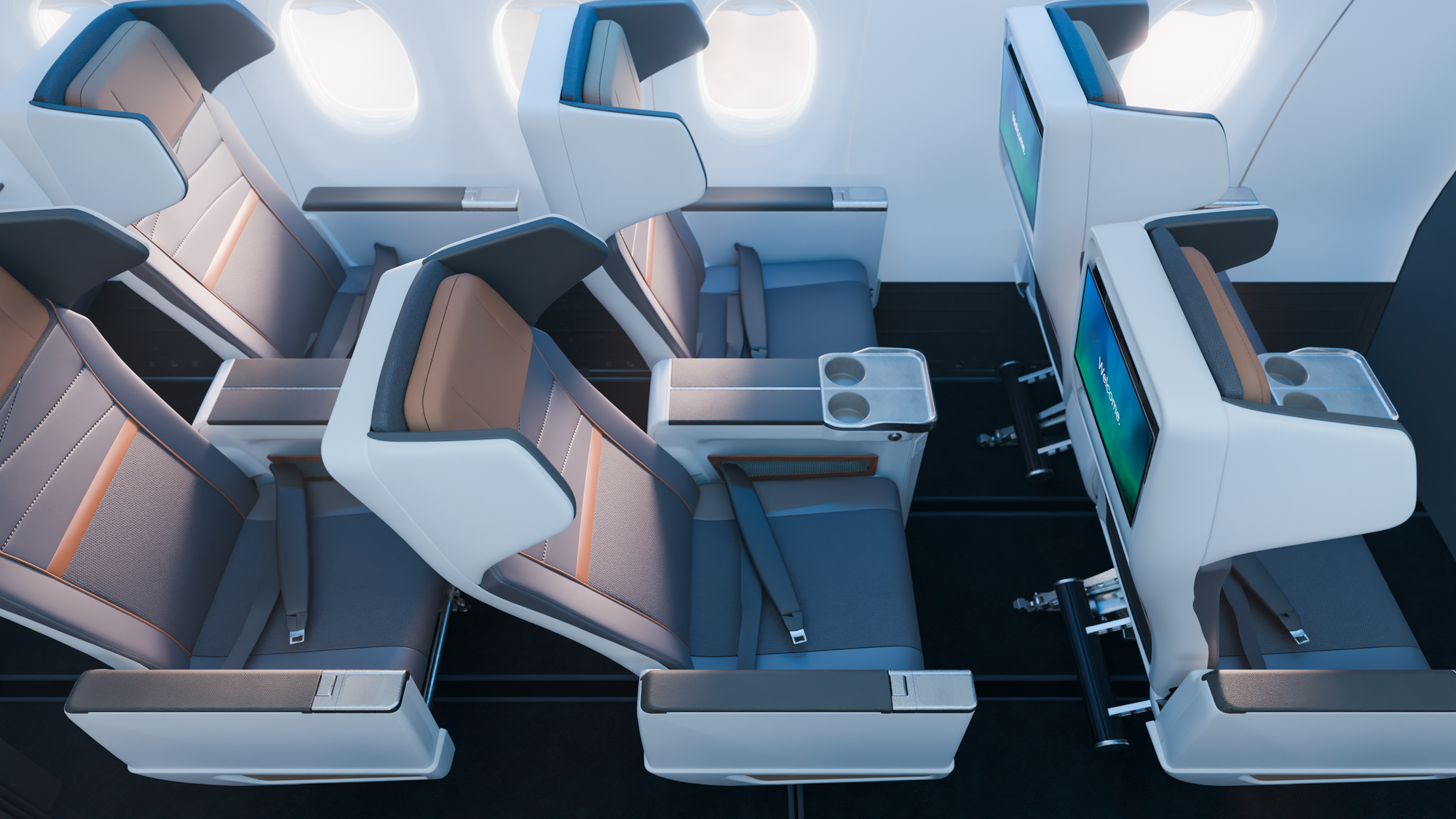
All this reveals a lot about the US (and US-to-international) market, ongoing supply chain issues, the thorny problem of seat certification, and the kind of front-end medium- to longhaul passenger experience an experienced and motivated airline would design if it was starting near the beginning — as Alaska is in this market segment.
Let’s dive on in.
