
Deep in the urban sprawl around Osaka, where the eastern terminus of the Osaka Monorail meets the Keihan commuter railway’s main line, is the city of Kadoma. It’s home not just to Panasonic Avionics’ inflight entertainment manufacturing unit, but the Panasonic global conglomerate headquarters as well.
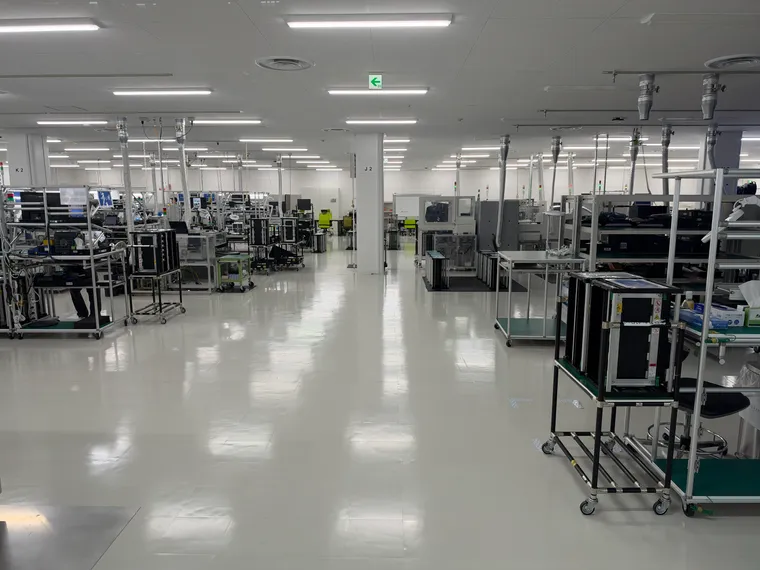
Here, every Panasonic IFE screen is assembled in a two-storey building within an unassuming factory complex that measures perhaps 150 metres by 100, or roughly the size of your average running track.
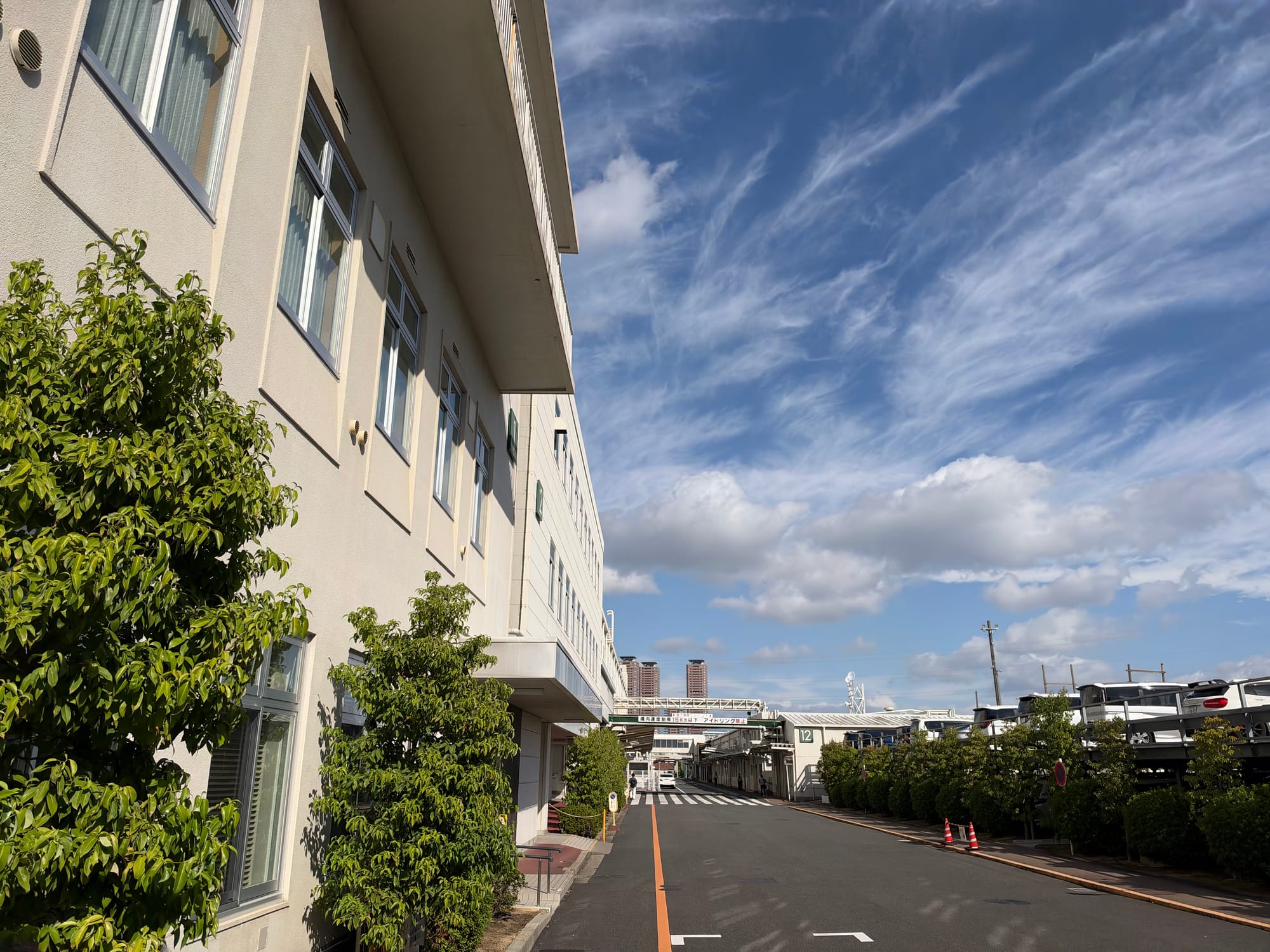
Next door to it within this satellite facility are other parts of the conglomerate — Panasonic’s large-scale projectors for public events are made next door, for example, as are other elements of its lighting business.
It’s a very typically Japanese urban landscape deep in the heart of the Keihanshin metro area centred around Osaka, Kyoto and Kobe, Japan’s second largest after Tokyo’s.
And it’s here that Panasonic plans to build over half a million of its newest Astrova screens for airlines worldwide — while still manufacturing and supporting some four dozen older products initially ordered years or even decades ago.
Full disclosure: Panasonic flew this journalist to Osaka and provided three nights of accommodation in advance of its factory ribbon-cutting, in order to enable this reporting. As ever, our conclusions are entirely our own, and are free of any reporting restrictions.
Astrova has been a wild success for Panasonic, and one that has been warmly received by airlines, even those that might feel slightly burned by the speed at which Astrova supplanted its immediate predecessor, NEXT.
Onboard, Astrova is exceptional. On Air Canada’s A321XLR earlier this year, the system was astoundingly clear, stylishly integrated and performed exceedingly well. It felt like a consumer-grade iPad or high-end tablet — not some clunky aged aviation-only screen.
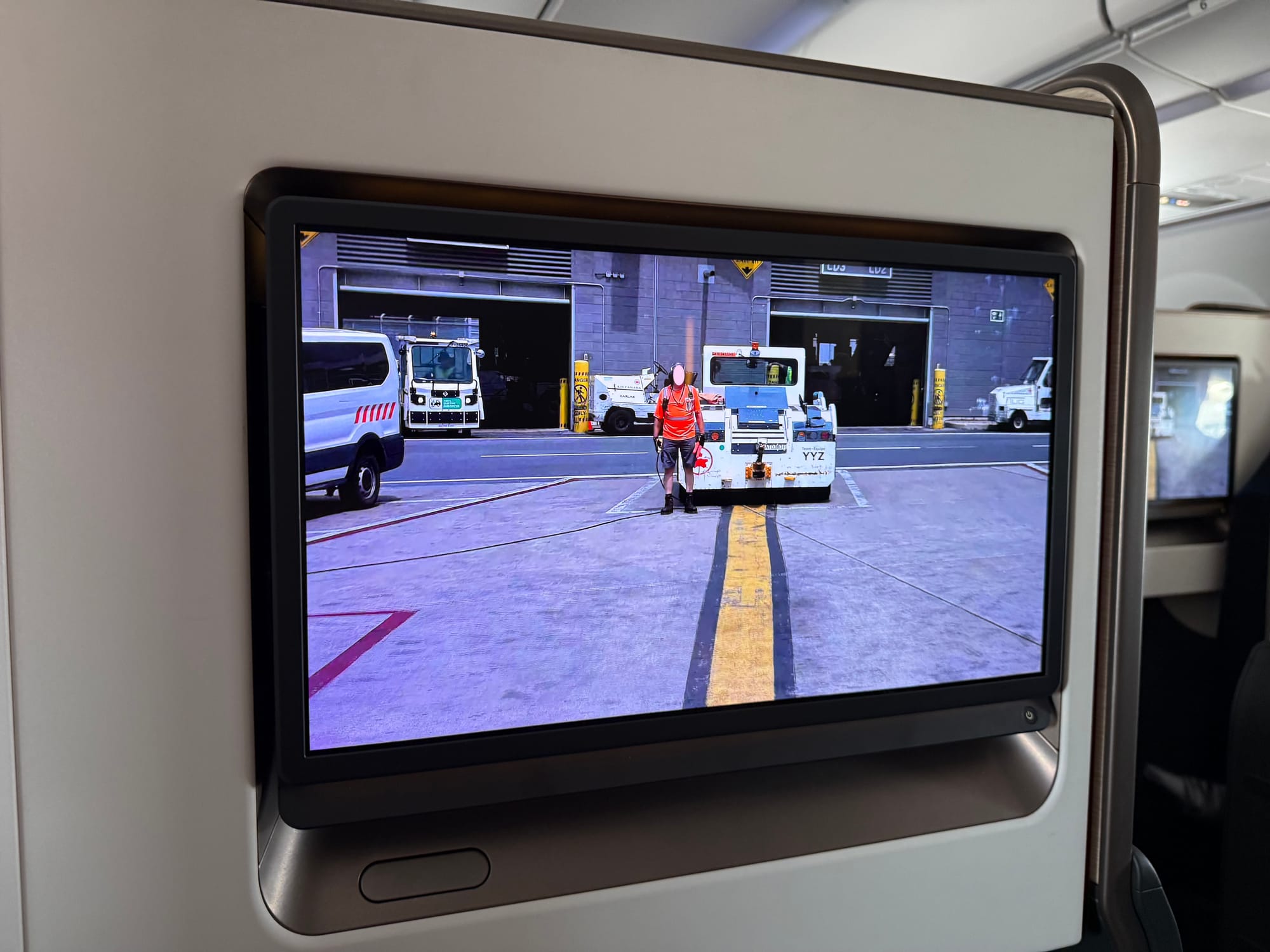
Some 80 aircraft are currently flying with Astrova onboard, a number that should at least double by the end of 2026, hit four figures in 2027 and then scale accordingly.
Breaking down those 500,000 seat unit orders, Panasonic gave some numbers around the various sizes of seatback IFE units, together with the market split.
Here, 13” corresponds to economy, with 16” the larger recliners seen in premium economy and shorthaul business/US domestic first. 19–27” is business, 32” starts the changeover to first class, and 42” is the top end at present, with larger screens and curved options inherently possible.
- 13”: 375,000 seats, 41 airlines
- 16”: 30,000 seats, 30 airlines
- 19”: 28,000 seats, 25 airlines
- 22”: 19,000 seats, 14 airlines
- 27”: 4,000 seats, 7 airlines
- 32”: 600 seats, 7 airlines
- 42”: 200 seats, 4 airlines
That makes a total of 456,800 seats booked, and the day after our visit, Panasonic announced that Astrova had hit the 500,000 sales mark — across 117 programs for 42 airline customers.
The split is also rather neatly Pareto-efficient in terms of market: just over 80% are economy seats, while just under 20% comprises the big seats up front where much of the industry’s money is made.
Those numbers, while impressive, only tell a small part of the story.
The new factory floor comprises 1.8 times the area of the previous space, with twice the amount of the early stage surface-mount technology line, and a full six times the space for the new Astrova family’s final assembly.
Panasonic’s Kadoma expansion for IFE manufacturing is a major vote of confidence in seatback screens — a part of the passenger experience whose imminent demise has been breathlessly exaggerated for the two decades I’ve been an aviation journalist.
Yet here we are, with a major facility upgrade from one of its biggest players. It’s been ten years since I last visited the Kadoma factory, and the changes over those years have been absolutely striking.
