
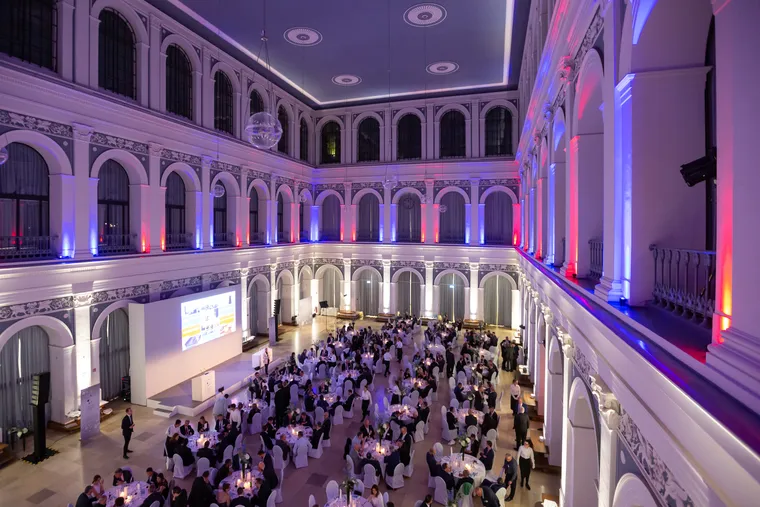
The annual Crystal Cabin Awards are often called the Oscars of the passenger experience industry. What is shortlisted, what is winnowed from shortlist to final, and what emerges from the finals to win — these are key insights into what the senior industry figures who make up its judging panel consider to be innovative within the world of aircraft cabins, seats, inflight entertainment, connectivity, technology, sustainability, and everything else that makes up the passenger experience.
Decided in April during the week of the Aircraft Interiors Expo, the awards are also a fascinating perspective on where the industry is concentrating its development and new product efforts. As just one example, business class cabins are a perennial focus, and this year it’s notable that the industry seems to be is in an evolutionary, consolidating phase here rather than a revolutionary one.
Many companies put substantial effort into their submissions, including with advanced renderings and even physical mockups — displaying not just their innovation but how it fits into the cabin environment.
Every year, some entries are at early idea stage, some are more advanced, some are in production, and some are already flying.
This year, though, it is troubling that generative AI slop imagery is included in multiple entries, even among those put through to the finals.
Supporting material includes garbled nonsense text, fake graphs, and image elements that do not exist in the actual product, all the way down to the unfortunate hallmark of AI-generated humans with impossible arrangements of fingers.
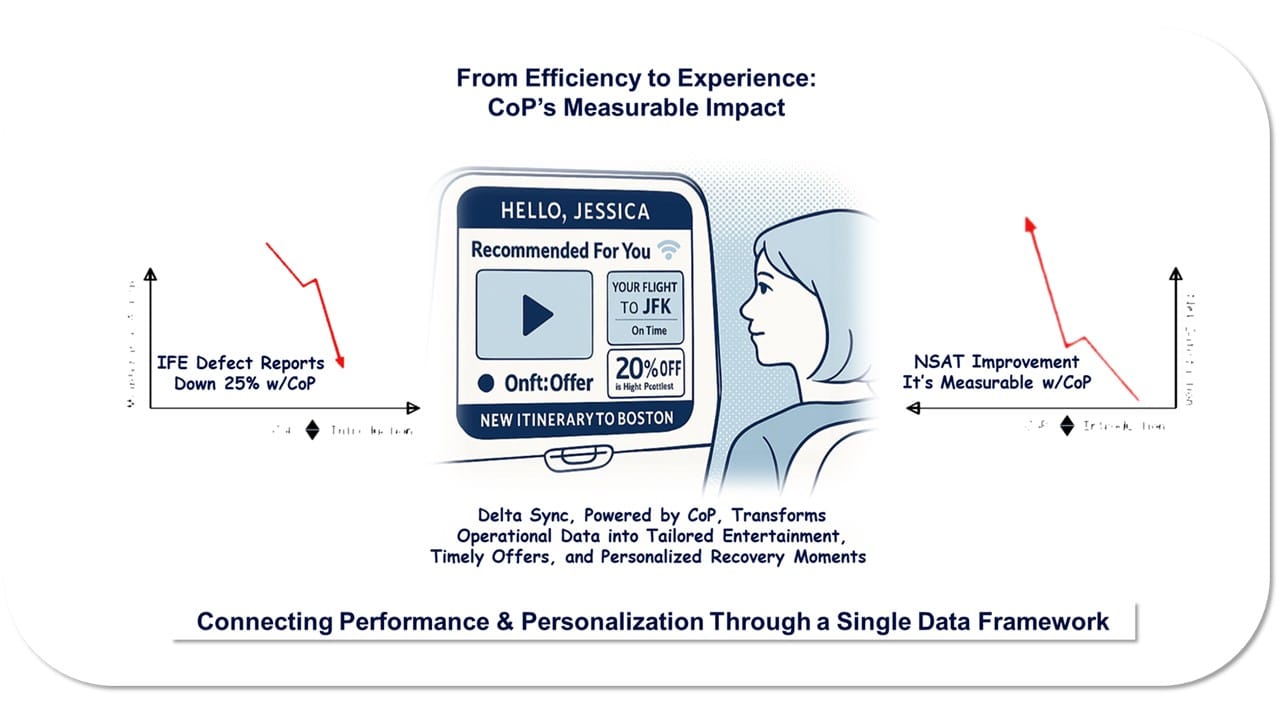
The implications of allowing these entries not just to be shortlisted but sent through to finals stage are significant, not just for the reputation of the Crystal Cabin Awards, but for that of its organising industry cluster Hamburg Aviation, and indeed those involved in the shortlisting process.

How much of the supporting material behind these entries accurately shows what they are and what they do? How much confidence can the industry have in the rest of the entry? Have the words within the submission been written or even checked over by the entry applicant, or copied and pasted from a large language model? And how have these remained unchanged through the process of shortlisting and selecting finalists for the industry’s most prestigious awards?
On to the category analysis, but first: some context on the issues raised by year’s Crystal Cabins categories, and the sometimes disparate entries within them.
